
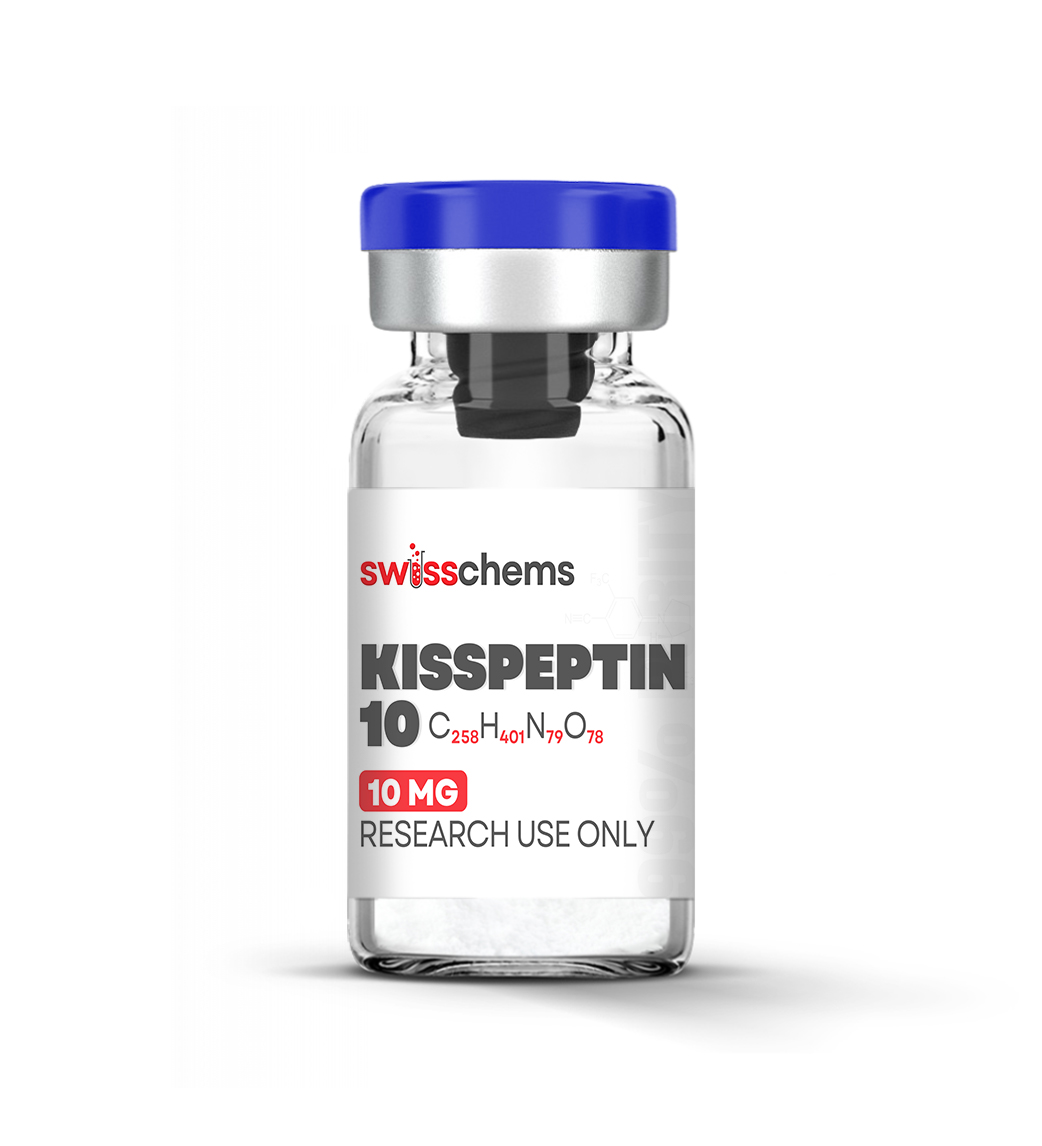
Kisspeptin 10 10mg – Ultimate Guide to the Peptide Powerhouse
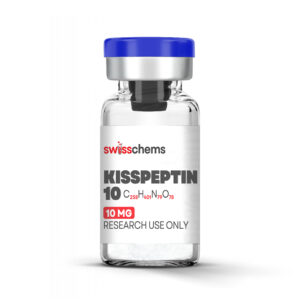
Kisspeptin-10 10mg is a bioactive research peptide that has rapidly gained attention in reproductive endocrinology, hormonal signaling studies, and fertility research. Unlike conventional hormone drugs, this short decapeptide (10 amino acids) plays a central role in activating the body’s own hormone pathways, making it a topic of interest for scientists and SEO content looking to educate and inform.
💡 What Is Kisspeptin-10?
Kisspeptin-10, often abbreviated KP-10, is a naturally-derived peptide fragment from the larger Kisspeptin family (encoded by the KISS1 gene). It binds to the GPR54 receptor (also called KISS1R) in the hypothalamus, triggering the release of gonadotropin-releasing hormone (GnRH). This cascade leads to increased secretion of luteinizing hormone (LH) and follicle-stimulating hormone (FSH) — the primary drivers of reproductive hormone activity.
👉 Learn more about Kisspeptin-10’s biological role on PubMed.org: https://pubmed.ncbi.nlm.nih.gov/21632807/
🧠 How Kisspeptin-10 Works
Kisspeptin-10 acts as a master regulator of the reproductive hormone axis. When it binds to its receptor:
-
GnRH is released from the hypothalamus
-
GnRH signals the pituitary to release LH & FSH
-
Sex hormones (testosterone, estrogen) increase downstream
-
Fertility pathways and reproductive signaling are activated
This mechanism has made Kisspeptin one of the most studied peptides in reproductive physiology.
🔬 Research Uses of Kisspeptin-10 10mg
Although not approved for clinical administration, Kisspeptin-10 10mg is widely used in laboratory and clinical research settings to investigate:
🧬 Reproductive Endocrinology
Scientists use KP-10 to study how the hypothalamus communicates with the pituitary–gonadal axis and how this affects fertility, puberty, and hormone regulation.
🧪 Hormone Secretion Studies
Research shows that KP-10 can significantly stimulate LH secretion and pulse frequency, making it valuable in endocrine research and diagnostic protocols.
🧠 Neuroendocrine Signaling
Kisspeptin’s impact extends beyond reproduction, offering insights into neuroendocrine feedback loops that integrate stress, metabolism, and hormonal balance.
⚖️ Dosage & Handling (Research Context Only)
-
Typically supplied as a 10mg lyophilized powder.
-
Researchers reconstitute KP-10 with bacteriostatic water before use.
-
Common dosing in experiments ranges in microgram levels due to the peptide’s potent activity.
👉 For detailed studies on human dosing effects, see the PubMed research article here: https://pubmed.ncbi.nlm.nih.gov/21632807/
🔍 Key Benefits Being Investigated
✅ Natural Hormone Activation
Unlike direct hormone replacement, KP-10 stimulates the body’s own GnRH → LH/FSH axis, promoting internal hormonal balance.
✅ Fertility Research
Kisspeptin-10 may improve ovulatory signaling, sperm production, and reproductive hormone rhythms in research models.
✅ Insight into Puberty and Hormone Disorders
Because of its central neuroendocrine role, scientists use KP-10 to model puberty onset an disorders like hypogonadotropic hypogonadism.
⚠️ Safety & Regulatory Status
Kisspeptin-10 is not FDA-approved for therapeutic use in humans. It is classified as a research peptide and should only be handled by trained professionals in laboratory environments.
Researchers must follow appropriate safety and storage protocols when using this peptide toqq maintain integrity and validity in scientific studies.
Reviews
There are no reviews yet.