
Written by Barbara Brody
Medically Reviewed by Zilpah Sheikh, MD on June 26, 2025
1 / 12
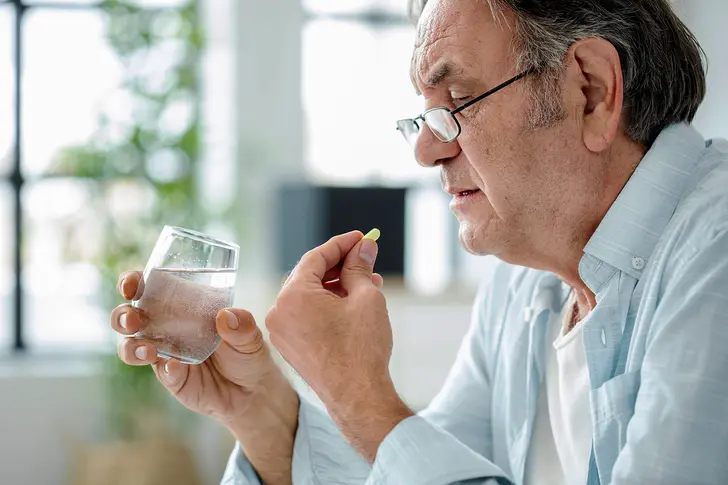
Take a Pill, Protect Your Memory?
“Improves memory.” “Sharpens focus.” These are just some of the claims you may see on the supplements that 25% of adults over age 50 are taking to try to keep their brains healthy. Do these products work? It’s often unclear, as the FDA doesn’t require makers to prove the supplements are effective, as long they don’t make any claims about specific diseases. Here’s what experts do — and don’t — know about some of these popular items.
2 / 12
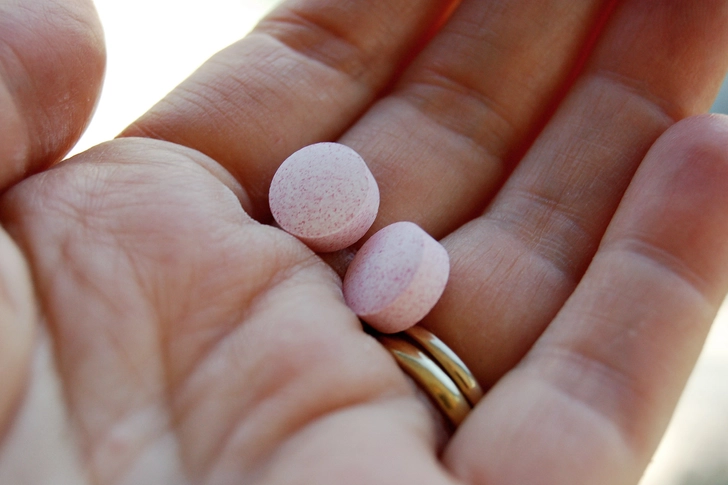
B Vitamins
B vitamins like B6, B12, and B9 (folic acid) all play a role in brain health. But unless you’re low on them or pregnant (folic acid is a must to prevent birth defects), a supplement is unlikely to help. If you’re at high risk for Alzheimer’s, ask your doctor. The research into the use of vitamin B supplements to boost cognitive ability is inconclusive. You should stick with food sources like leafy greens to stay sharp.

3 / 12
Caffeine
Caffeine pills and powders aren’t a good idea, because of the risks if you overdose. But you can enjoy coffee guilt-free, as long as it doesn’t worsen your sleep or make you jittery. Some might be good for your brain. It’s a stimulant that helps perk you up, plus it promotes energy by blocking brain receptors for a chemical called adenosine.
4 / 12
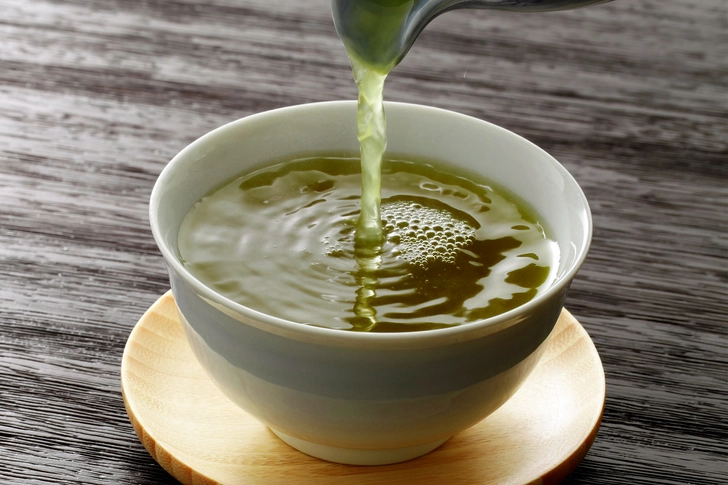
L-theanine
A natural amino acid, L-theanine seems to have potential for improving mental performance, especially when combined with caffeine. That said, most studies have been small, such as one in 2019 that included 30 people. Until there’s more research, a safe bet is to drink green tea: It naturally contains both L-theanine and caffeine, as well as antioxidants that may help your mental and physical well-being in other ways.
5 / 12
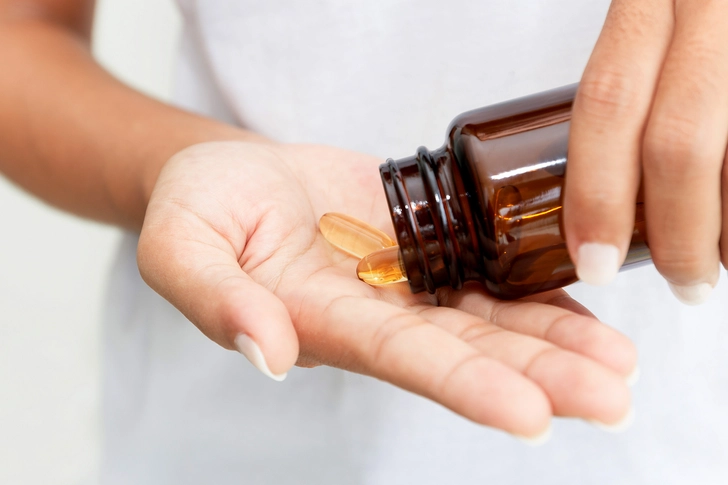
Omega-3s
The traditional Mediterranean diet, which includes omega 3-rich-fish, is linked to a lower risk of dementia. But can omega-3 supplements help? So far, large studies (including one sponsored by the National Institutes of Health) haven’t proved that. One possible exception: People with the APOE4 gene mutation, which is tied to Alzheimer’s, might benefit if they start taking the supplements early enough, a 2017 review shows.
6 / 12
Vitamin E
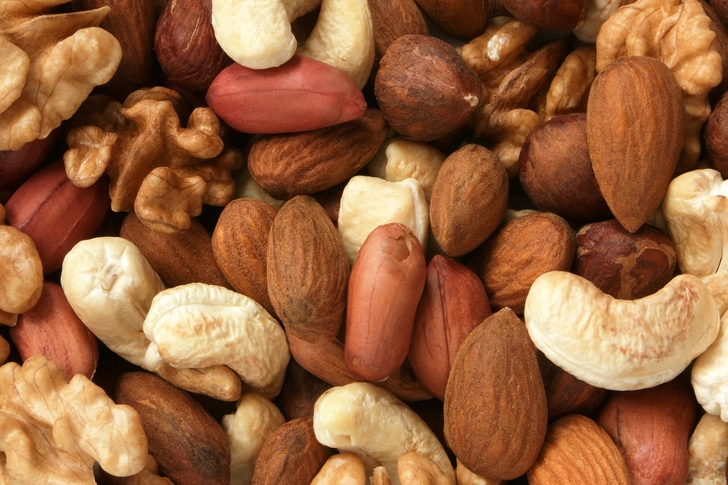
This antioxidant combats free radicals, including those that may damage brain cells. But large studies aimed at finding out whether vitamin E supplements can protect against dementia haven’t yielded great results, though at least one study found that they might slow the worsening of Alzheimer’s in people who already have it. For now, experts say most healthy people should stick with food sources like nuts, seeds, and vegetable oils.

7 / 12
Ginkgo Biloba
Although it’s a staple in traditional Chinese medicine, modern research has found that ginkgo supplements probably won’t protect your memory. Although some studies have suggested there might be benefits, the most well-designed trials — notably the Ginkgo Evaluation Memory study that included 3,000 older adults — showed that ginkgo doesn’t prevent or slow dementia.
8 / 12
Ginseng
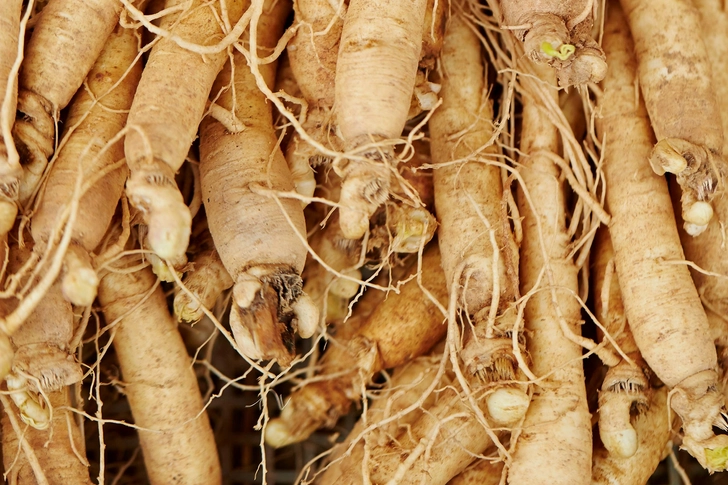
Often used along with ginkgo, ginseng is another popular supplement that hails from Asia. As with ginkgo, some studies have suggested that ginseng might be a potent brain booster. But the evidence didn’t hold up when scientists homed in on the best-quality research: A review of several trials concluded there’s “no convincing evidence” that ginseng will protect your mental skills.
9 / 12
Curcumin
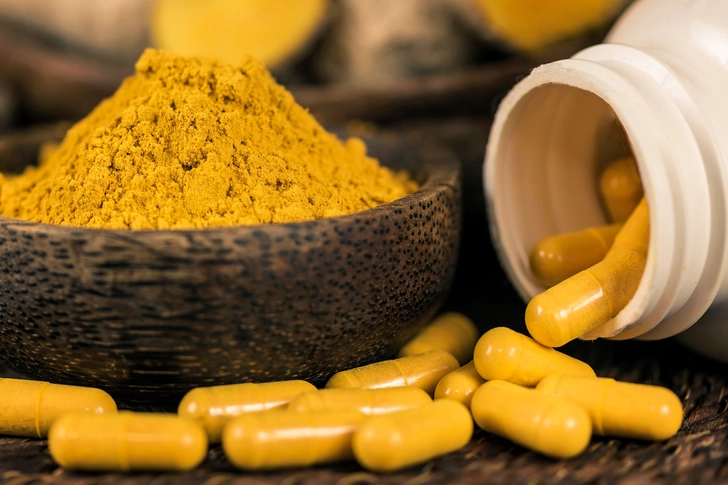
Found in turmeric (an ingredient in curry powder), curcumin has been hailed for its antioxidant powers. Does it help explain why Alzheimer’s rates are lower in India? A UCLA study found that people who took curcumin fared better on memory tests and had less buildup of abnormal proteins in their brains. But this study only included 40 people, and other research hasn’t found this result, so more studies are needed.

10 / 12
CDP-choline
In Europe, CDP-choline isn’t sold as a dietary supplement. Instead, it’s a prescription drug. According to researchers who reviewed 14 studies, there’s decent evidence that it can benefit memory in elderly people who already have memory problems. But whether it can prevent them in healthy people isn’t clear. Ask your doctor if you’re thinking of trying it.

11 / 12
What About Combos?
Many memory supplements aren’t sold as single ingredients. Though some ingredients might work well together, combined supplements are harder to study and could be risky. Supplements may cause side effects, and the risk rises with the number you take. Mixing them with prescription drugs can be risky, too. Review all the drugs and supplements you’re taking (or considering) with your doctor or pharmacist, so they can tell you what’s safe.

12 / 12
Food First
While certain supplements might help in some cases, most healthy people don’t need pills to stay sharp. Eating a diet that’s rich in vegetables, berries, whole grains, and fish (key parts of the so-called MIND diet) is a way to support brain health as you age. Staying physically active, getting enough sleep, taking care of any medical conditions you have, keeping up your social connections, and challenging your mind by being a life-long learner can make a big difference, too. And it’s good for the rest of your body!
SourcesUpdate History
Share
Save
View privacy policy, copyright and trust info
Scroll Down for the Next Article

Sign up for our free Good Health Newsletter
Get wellness tips to help you live happier and healthier
By clicking Subscribe, I agree to the WebMD Terms & Conditions & Privacy Policy and understand that I may opt out of WebMD subscriptions at any time. This site is protected by reCAPTCHA and the Google Privacy Policy and Terms of Service apply.
Family Health History: What You Should Know

Medically Reviewed by Jabeen Begum, MD on February 18, 2026

1 / 10
Why Does Your Doctor Ask for It?
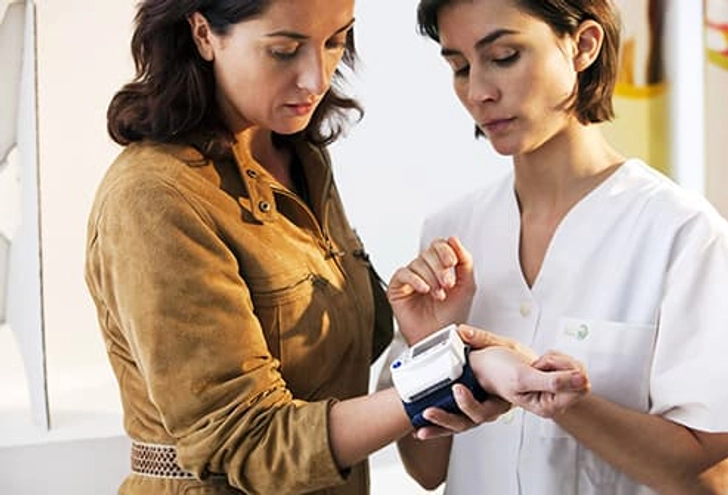
All those questions about your relatives’ health conditions can seem like a bother, but they help them know what to be on the lookout for with you. For example, if your father has high blood pressure, they might want to keep a closer eye on yours. Both nature (your genes) and nurture (your family’s lifestyle) can have an effect on your health — and you get both from your parents.
2 / 10
What Does Your Doctor Need to Know?
You should tell them about any ongoing conditions (like diabetes or asthma) or serious illnesses (like cancer or a stroke) your parents, grandparents, and siblings have or had and how old they were when the health problem started. If any of them have passed away, let your doctor know their cause of death and how old they were when they died. They also may ask about things like your family’s lifestyle or diet, because relatives tend to have these in common.

3 / 10
What Health Conditions Run in Families?
If a close relative had a certain condition or illness, that doesn’t mean you’ll get it — your chances may just be higher than other people’s. Some issues that can be passed down include:
- Diabetes
- Dementia
- Certain types of cancer
- High cholesterol
- Obesity
- Asthma
- Heart disease
- Blood clots
- Arthritis
- Kidney disease
- Depression
- High blood pressure

4 / 10
Does My Ethnicity Matter?
Your doctor may ask about your race because people who have roots in certain parts of the world are more likely to have some conditions. For example, African-Americans have a higher chance of having sickle cell anemia, and Jewish people from Eastern Europe are more likely to be born with Tay-Sachs disease.

5 / 10
How Do I Get Information?
If you don’t know much about your close relatives’ health, find some time to ask about it. If they can’t help you, talk to other family members — aunts, uncles, or cousins — to see what you can find out. And you might find some family trees, baby books, or other keepsakes that could be useful.
6 / 10
Help Online
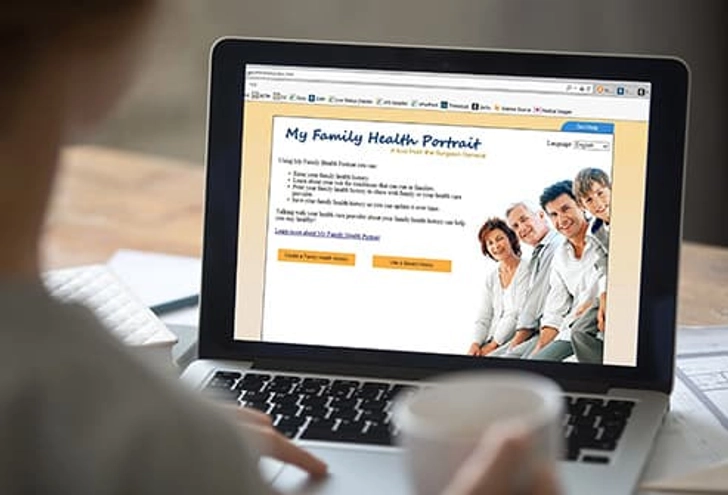
The U.S. Surgeon General’s office has an easy way for you to collect this kind of information. It’s called My Family Health Portrait. It helps you make a kind of family medical tree that you can share with relatives and download to take to your doctor.
7 / 10
Getting Records
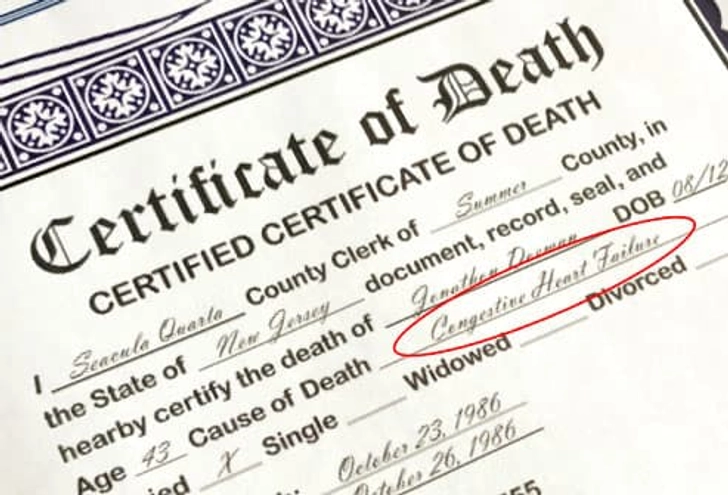
If you have questions your relatives can’t answer, death certificates or medical records can give you specifics like age at death, cause of death, and ethnic background. The rules are different for each state, but close family members are often allowed to order copies of these. Obituaries — often posted online — also may have some of this information.

8 / 10
Ancestry Research
If you don’t know much about your relatives and don’t have time to research it on your own, there are companies that can help fill out your family tree. Once you know the names of your relatives, you can try to contact them or find obituaries or death certificates if they’ve passed away.
9 / 10
Genetics
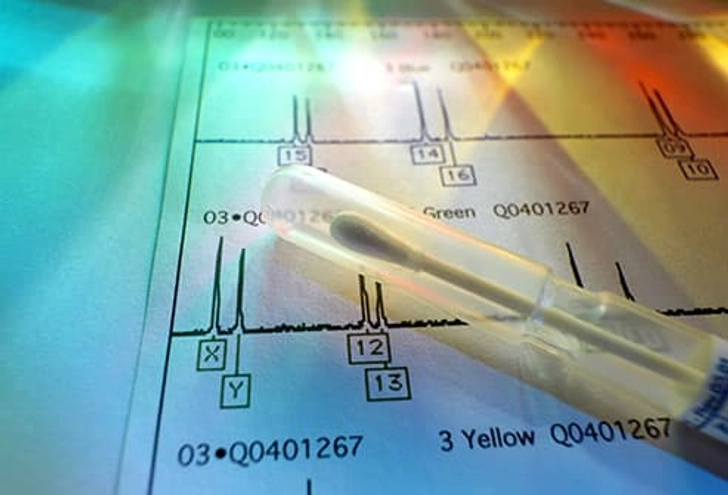
You can go a step further if you get your genes tested, sometimes called DNA testing. Typically, you send a sample of your saliva to a company and they send you a report. This can tell if you’re more likely to get certain diseases or pass problem genes to your children.

10 / 10
What If I Don’t Have the Right Information?
You may not have all the answers, and that’s OK. Just talk to your doctor about the information you do have or tell them that you don’t know much about your family health history. They can help you sort through it and maybe even tell you where else to look. Even if you’re missing some facts, any information you have can be useful.