
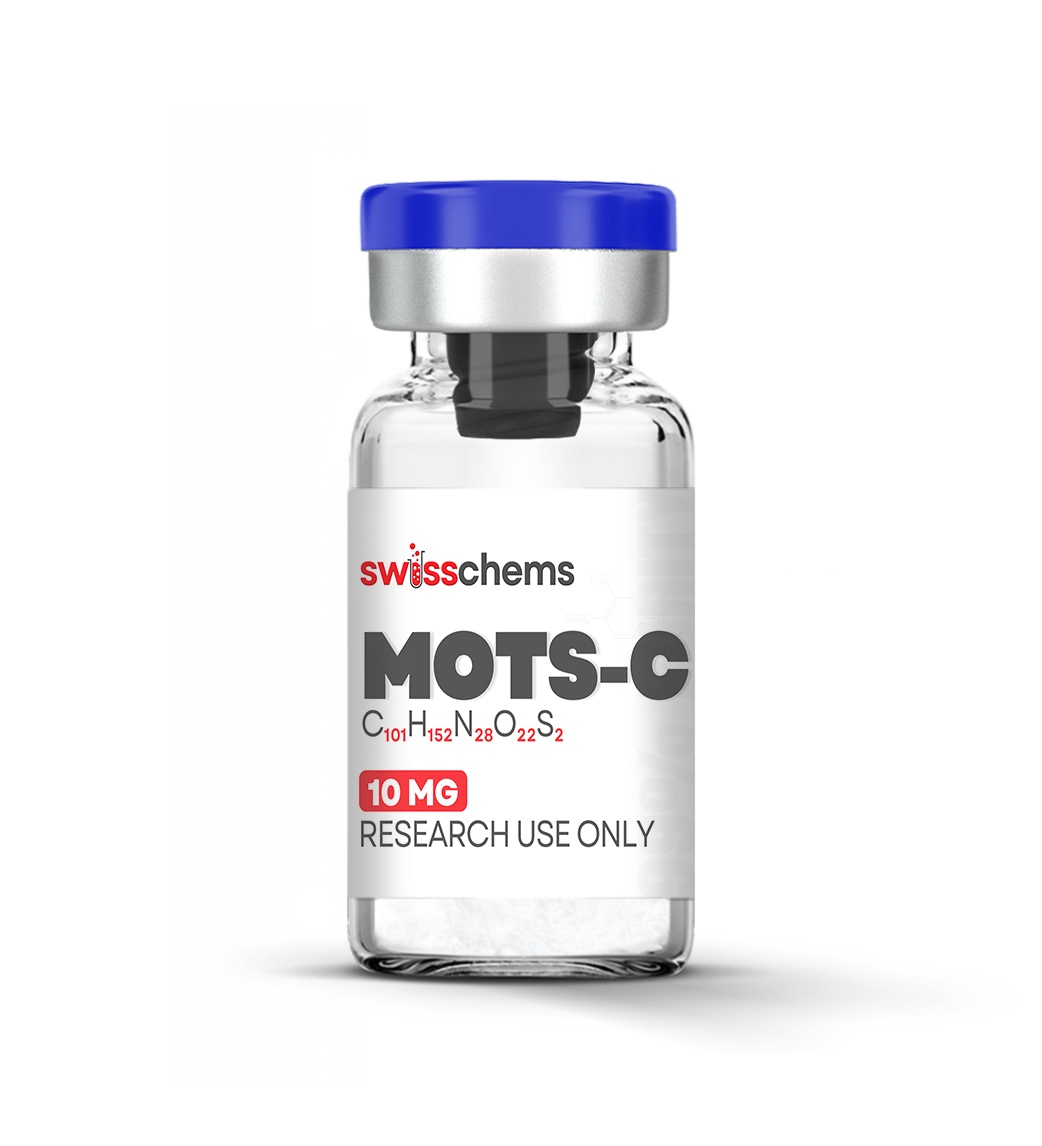
MOTS-c Peptide: Benefits, Uses, and How It Works
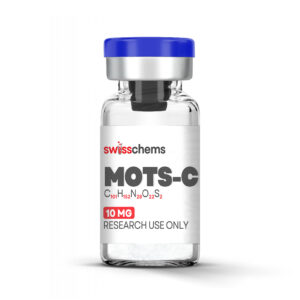
MOTS-c peptide (Mitochondrial Open Reading Frame of the 12S rRNA Type-C) is a cutting-edge, mitochondrial-derived peptide that plays a key role in regulating metabolism, energy production, and cellular health. Discovered in 2015, it is unique because it is encoded by mitochondrial DNA rather than nuclear DNA—making it fundamentally different from most peptides studied today.
🧬 What Is MOTS-c?
MOTS-c is a 16–amino acid peptide naturally produced in the body and closely linked to mitochondrial function—the system responsible for generating cellular energy (ATP).
It acts as a metabolic regulator, helping the body adapt to stress, exercise, and changes in energy demand. Researchers often refer to MOTS-c as an “exercise mimetic” because it activates many of the same biological pathways triggered by physical activity.
⚙️ How MOTS-c Works
MOTS-c primarily works by activating AMPK (AMP-activated protein kinase)—a key enzyme that controls energy balance in the body.
When AMPK is activated, it helps:
- Increase glucose uptake into cells
- Improve fat oxidation (fat burning)
- Enhance mitochondrial function
- Reduce energy waste
It also plays a role in nuclear signaling, meaning it can move from the mitochondria to the nucleus and influence gene expression related to stress adaptation and metabolism.
🔥 Potential Benefits of MOTS-c (Research-Based)
Although human data is still limited, preclinical and early research suggests MOTS-c may offer several benefits:
1. Improved Insulin Sensitivity
MOTS-c helps regulate blood sugar levels and may improve insulin function, making it relevant for metabolic health.
2. Enhanced Fat Loss & Metabolism
By promoting fat oxidation and metabolic efficiency, it may support weight management and body composition.
3. Increased Energy & Endurance
Because it improves mitochondrial efficiency, MOTS-c may boost stamina and physical performance.
4. Cellular Longevity & Anti-Aging Potential
Levels of MOTS-c naturally decline with age, and research suggests it may play a role in healthy aging and longevity pathways.
5. Stress Resistance
MOTS-c is activated during metabolic stress and helps cells adapt and survive under challenging conditions.
💉 Dosage & Administration (Research Context)
- Typical research dose: 5–25 mg per week
- Frequency: 2–3 injections weekly
- Method: Subcutaneous injection
- Cycle: 4–8 weeks
Reviews
There are no reviews yet.